
Eid is a special occasion that brings families and friends together to celebrate happiness, gratitude, and tradition. Along with festive gatherings and delicious meals, choosing the right outfit is an important part of the celebration. People often look for clothing that reflects their personality while making them feel comfortable and confident. A beautiful eid dress design combines traditional fashion, modern trends, attractive colours, quality fabrics, and thoughtful details to create an outfit that feels special.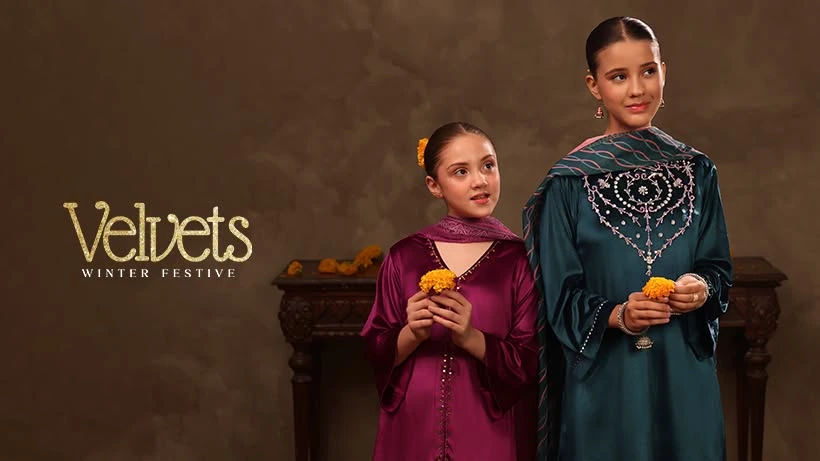
However, looking stylish on Eid does not necessarily mean wearing the most expensive outfit or following every fashion trend. True style comes from selecting clothing that suits your body shape, personal taste, cultural preferences, and the occasion. A simple outfit with beautiful embroidery and a well-balanced colour combination can look more elegant than an overly decorated dress.
Understanding the elements that make festive clothing attractive can help you make better fashion choices. From fabric selection and embroidery to tailoring, accessories, and seasonal trends, several factors contribute to a stylish Eid appearance.
The Meaning of Stylish Eid Fashion
Style is more than simply wearing fashionable clothes. It involves combining different elements in a way that creates a balanced and attractive appearance.
Eid fashion often brings together cultural traditions and contemporary clothing trends. Traditional silhouettes remain popular, but designers regularly introduce updated cuts, new embroidery techniques, and creative colour combinations.
A stylish outfit should reflect the occasion without making the wearer feel uncomfortable. It should also allow enough freedom of movement for family visits, prayers, meals, and celebrations.
Balancing Traditional and Modern Elements
One of the most important features of attractive festive clothing is the balance between traditional and modern fashion.
Traditional outfits such as shalwar kameez, ghararas, shararas, and long frocks remain popular because they represent cultural identity. Modern touches, including contemporary sleeves, unusual necklines, stylish trousers, and lightweight embellishments, can make these outfits look fresh.
For example, a traditional long shirt paired with straight trousers can create a sophisticated appearance. Adding delicate embroidery or a modern neckline gives the outfit a fashionable finish.
The key is to avoid adding too many competing design elements. A balanced outfit usually looks more refined.
Choosing a Design That Reflects Your Personality
Personal style plays an important role in deciding what looks attractive. Some people prefer simple and elegant clothing, while others enjoy colourful outfits with detailed embroidery.
There is no single fashion rule that everyone must follow.
Someone who enjoys minimal fashion might choose a plain pastel outfit with delicate lace. Another person may prefer a richly embroidered dress with traditional patterns.
The best choice is one that reflects your personality and makes you feel confident.
The Importance of Fabric Selection
Fabric is one of the first things people notice about an outfit. Even an attractive design can lose its appeal if the material looks uncomfortable, feels rough, or does not fall properly.
The right fabric improves the appearance, movement, and overall quality of festive clothing.
Popular Fabrics for Eid Outfits
Different fabrics create different fashion effects. Understanding their characteristics makes choosing an outfit easier.
Chiffon: Chiffon is lightweight and delicate. It is frequently used for formal shirts, dupattas, sleeves, and layered dresses. Its soft appearance makes it suitable for elegant festive outfits.
Lawn: Lawn is particularly popular for daytime celebrations, especially in warmer climates. It is breathable, lightweight, and comfortable for extended wear.
Organza: Organza provides a structured and slightly transparent appearance. It works beautifully for statement sleeves, dupattas, and layered formal outfits.
Silk: Silk has a smooth texture and natural shine. It creates a luxurious appearance and is often selected for more formal Eid gatherings.
Cotton: Cotton is comfortable, breathable, and practical. It is an excellent option for people who prefer simple clothing without compromising on appearance.
Georgette: Georgette offers a soft drape and works well for flowing silhouettes. It is frequently used in contemporary festive clothing.
Matching Fabric With the Occasion
The occasion should influence your fabric selection.
For morning Eid celebrations, breathable materials such as cotton and lawn are practical choices. They help you stay comfortable while visiting relatives and attending daytime gatherings.
For evening dinners and formal events, fabrics such as silk, chiffon, and organza can create a more sophisticated appearance.
Seasonal conditions also matter. Heavy fabrics may feel uncomfortable during summer, while lightweight materials may not provide enough warmth during colder celebrations.
A stylish outfit should look attractive while remaining suitable for the weather.
Colours That Make an Eid Outfit Attractive
Colour is another major factor that influences the overall appearance of festive clothing. The right shades can make an outfit look fresh, elegant, and visually appealing.
Fashion trends change regularly, but choosing colours that complement your personal preferences is always important.
Pastel Shades for a Soft Appearance
Pastel colours are popular because they create a gentle and sophisticated look.
Some attractive choices include:
-
Powder pink
-
Mint green
-
Baby blue
-
Lavender
-
Peach
-
Soft yellow
-
Light beige
These shades work particularly well for daytime celebrations. They can also look beautiful when combined with subtle embroidery, pearl details, or delicate lace.
A pastel outfit with minimal decoration often creates a graceful appearance without looking overly formal.
Bold Colours for a Statement Look
People who enjoy vibrant fashion may prefer stronger colours.
Emerald green, royal blue, maroon, deep purple, and ruby red can create a striking festive appearance.
These colours are particularly suitable for evening gatherings and formal celebrations.
However, bold colours should be combined thoughtfully. Pairing a deep-coloured outfit with neutral accessories can create an attractive balance.
Neutral Colours for Timeless Elegance
Neutral shades are another excellent option for people who prefer understated fashion.
Ivory, cream, champagne, beige, taupe, and soft grey can make an outfit look sophisticated.
These colours are versatile and work well with gold, silver, pearl, and delicate metallic embellishments.
Neutral outfits are also easy to accessorise, making them suitable for different types of celebrations.
Embroidery and Decorative Details
Embroidery can transform a simple outfit into something special. It adds texture, character, and visual interest while reflecting traditional craftsmanship.
However, the amount and placement of decoration can determine whether an outfit looks elegant or overwhelming.
Choosing the Right Embroidery Style
Different embroidery techniques create different visual effects.
Thread embroidery: This technique creates beautiful patterns using coloured threads. It is suitable for both casual and formal outfits.
Zari work: Zari uses metallic threads to create decorative patterns. It is commonly associated with traditional festive clothing.
Mirror work: Small reflective pieces add brightness and texture. They are often used in festive and traditional outfits.
Sequin work: Sequins create a sparkling effect and are popular for evening celebrations.
Resham embroidery: This traditional technique uses silk threads to produce colourful and detailed patterns.
The best embroidery technique depends on the fabric, outfit style, and level of formality.
Keeping Embellishments Balanced
A common fashion mistake is choosing too many decorative elements for one outfit.
If the shirt features heavy embroidery, simpler trousers and a lightweight dupatta can help maintain balance.
Similarly, a heavily decorated dupatta can become the main attraction when paired with a relatively simple shirt.
Thoughtful decoration makes clothing look more expensive and carefully designed.
Neckline and Sleeve Details
Small design features can make a noticeable difference.
Boat necklines, round necks, V-shaped necks, and square necklines offer different appearances. The right choice depends on personal preference and the overall outfit structure.
Sleeves can also influence the final look. Bell sleeves, straight sleeves, puff sleeves, and embroidered cuffs can add personality.
The important thing is to make sure these details complement the rest of the outfit.
Popular Eid Dress Silhouettes and Styles
The shape and structure of an outfit influence how it looks when worn. Selecting a suitable silhouette helps create a comfortable and attractive appearance.
Traditional Shalwar Kameez
Shalwar kameez remains one of the most recognised choices for Eid celebrations.
Its versatility makes it suitable for different ages, preferences, and occasions. It can be styled with straight trousers, traditional shalwars, cigarette pants, or wide-leg bottoms.
A beautifully tailored shirt with delicate embroidery can create a sophisticated festive appearance.
Anarkali Dresses
Anarkali dresses are known for their flowing structure and fitted upper section.
Their flared shape creates graceful movement, making them suitable for formal gatherings and family celebrations.
They can be decorated with embroidery around the neckline, sleeves, and hemline.
Lightweight fabrics are particularly useful when choosing an Anarkali for comfortable festive wear.
Sharara and Gharara Outfits
Long shirts with straight trousers offer a modern and comfortable alternative to heavily traditional outfits.
This combination is suitable for people who prefer clean lines and simple styling.
A stylish neckline, attractive buttons, or delicate embroidery can provide enough detail without making the outfit look crowded.
The Role of Perfect Tailoring and Fitting
Even the most beautiful fabric and embroidery cannot create an attractive outfit if the tailoring is poor.
Proper fitting helps clothing sit naturally and creates a polished appearance.
Why Proper Fitting Matters
An outfit should complement your natural proportions without feeling restrictive.
Clothing that is too tight can make movement uncomfortable, while excessively loose clothing may hide the intended shape of the design.
The shoulders, sleeves, neckline, waist, and trouser length should all be properly adjusted.
Comfort is especially important during Eid because celebrations often involve several hours of social activities.
Understanding Different Body Proportions
Every person has different preferences and proportions. Choosing suitable cuts can help create a balanced appearance.
For example, A-line shirts provide a flowing shape, while straight shirts create a more structured appearance.
Longer shirts may appeal to people who prefer traditional styling, while shorter shirts can work well with wide-leg trousers.
There is no universal rule about which silhouette is best. The most suitable option is the one that feels comfortable and matches your personal style.
Paying Attention to Finishing
Finishing details often separate an ordinary outfit from a carefully designed one.
Neat stitching, properly attached buttons, clean hems, secure embroidery, and well-finished sleeves improve the overall quality.
Before wearing a new outfit, check whether the seams are comfortable and whether decorative elements are securely attached.
These small details can make a significant difference.
Accessories That Complete the Eid Look
Accessories help bring an outfit together. They add personality and can make even a relatively simple dress look festive.
However, choosing accessories requires balance.
Jewellery Selection
Jewellery should complement the outfit instead of competing with it.
Traditional jhumkas, delicate necklaces, bangles, pearl earrings, and statement rings are popular choices.
For heavily embroidered outfits, simple jewellery may be sufficient.
On the other hand, a plain outfit can look more festive with statement earrings or an attractive necklace.
Gold jewellery often works beautifully with warm colours, while silver and pearl accessories complement cooler shades.
Choosing the Right Footwear
Footwear is an important part of festive styling.
Traditional khussas, embellished sandals, block heels, and comfortable flats are common choices.
Your footwear should match the formality of the outfit while allowing you to move comfortably.
If you expect to spend several hours visiting relatives, comfortable shoes are usually more practical than extremely high heels.
Dupatta Styling
The dupatta can significantly influence the overall appearance of traditional clothing.
It can be draped over one shoulder, placed around both shoulders, or styled loosely for a relaxed appearance.
An embroidered dupatta can become the main decorative feature of a simple outfit.
Choosing a suitable fabric and draping style helps maintain a balanced look.
Makeup and Hairstyles That Complement Festive Clothing
A complete festive appearance involves more than clothing and accessories. Makeup and hairstyles also contribute to the overall impression.
The goal should be to complement the outfit rather than create an unrelated look.
Natural Makeup for Daytime Celebrations
Daytime celebrations often look best with fresh and natural makeup.
Light foundation, subtle blush, neutral eyeshadow, mascara, and a soft lipstick shade can create a polished appearance.
For people who prefer minimal makeup, a simple base and a suitable lip colour may be enough.
Glamorous Makeup for Evening Events
Evening gatherings provide more flexibility for glamorous makeup.
Smoky eyes, defined eyeliner, shimmering eyeshadow, and deeper lipstick shades can complement formal outfits.
However, it is better to focus on one main feature rather than making every part of the makeup equally dramatic.
Hairstyles That Match Your Outfit
Loose waves, sleek buns, ponytails, and traditional braids are popular hairstyle choices.
A bun can look particularly elegant with statement earrings, while loose waves complement flowing outfits.
Hair accessories such as decorative clips and subtle pins can add a festive touch.
The hairstyle should also be practical enough to remain comfortable throughout the celebration.
How to Choose an Eid Outfit According to Your Budget
Looking stylish does not require spending a large amount of money.
A thoughtful approach to shopping can help you find attractive clothing without exceeding your budget.
Set a Budget Before Shopping
Start by deciding how much you want to spend.
Consider the cost of the outfit, tailoring, footwear, jewellery, and other accessories.
Having a clear budget prevents unnecessary purchases and makes comparing different options easier.
Invest in Versatile Clothing
Choose outfits that can be worn for other occasions.
A beautifully tailored neutral suit can be restyled for weddings, family dinners, and formal gatherings.
You can create different appearances by changing the dupatta, jewellery, footwear, and hairstyle.
This approach makes your clothing investment more practical.
Consider Customisation
Sometimes, a simple ready-made outfit can become more attractive with small adjustments.
You might add decorative buttons, change the sleeves, improve the neckline, or introduce subtle embroidery.
Customisation allows you to create a more personal appearance without purchasing an entirely new outfit.
Current Fashion Influences on Eid Clothing
Fashion trends influence the way designers approach festive clothing every year.
While traditional outfits remain important, contemporary preferences continue to introduce new possibilities.
Minimalist Fashion
Minimalism focuses on simplicity, clean cuts, and limited decoration.
A plain outfit with excellent tailoring and carefully selected accessories can look extremely sophisticated.
This style is ideal for people who prefer understated clothing.
Floral Patterns
Floral prints bring colour and freshness to festive fashion.
They are particularly suitable for daytime celebrations and spring occasions.
Small floral patterns create a delicate appearance, while larger prints can make a stronger statement.
Contemporary Colour Combinations
Modern outfits often combine colours that were traditionally considered unusual together.
For example, pastel pink with sage green or ivory with muted blue can create interesting combinations.
The key is to select shades that complement one another rather than clash.
Statement Sleeves and Modern Cuts
Designers frequently experiment with sleeve shapes, asymmetrical hems, layered panels, and unusual necklines.
These features can make traditional clothing look contemporary.
eid dress design a fashionable detail should never reduce the comfort or practicality of an outfit.
Common Mistakes to Avoid When Choosing an Eid Outfit
Knowing what to avoid is just as important as understanding what makes clothing attractive.
Some common fashion mistakes can reduce the overall appeal of an otherwise beautiful outfit.
Following Every Fashion Trend
Not every trend suits every person.
A design may look attractive on a model but may not match your preferences, lifestyle, or comfort requirements.
Choose trends selectively instead of copying every popular style.
Ignoring Comfort
An outfit that looks beautiful but feels uncomfortable can affect your enjoyment of the celebration.
Avoid fabrics that irritate your skin or designs that restrict movement.
Always consider the length of the event and the activities involved.
Overusing Decorative Elements
Heavy embroidery, bright colours, large jewellery, and dramatic accessories can compete for attention.
A more balanced approach usually creates a cleaner and more elegant appearance.
Choosing the Wrong Size
Poor fitting can affect the entire outfit.
Always check the measurements and allow enough time for alterations before Eid.
Do not leave important tailoring adjustments until the last moment.
Forgetting Practical Details
Small practical considerations are easy to overlook.
Check whether the fabric wrinkles easily, whether the dupatta stays in place, and whether the footwear is comfortable.
These details can improve your overall experience.
Tips for Creating a Stylish Eid Wardrobe
Building a useful festive wardrobe makes future celebrations easier.
Instead of purchasing completely different outfits every year, consider investing in versatile pieces that can be styled in several ways.
Keep a Combination of Simple and Formal Outfits
A practical wardrobe should include both lightweight daytime clothing and more decorative formal outfits.
Simple suits are useful for casual family gatherings, while embroidered dresses are appropriate for more formal celebrations.
Having different options allows you to dress according to the event.
Choose Colours That Are Easy to Style
Neutral shades and versatile colours make it easier to reuse clothing.
Cream, black, navy, beige, and soft pastels can be paired with different accessories.
You can create a fresh appearance by changing your jewellery and dupatta.
Maintain Your Clothes Properly
Proper care helps festive clothing maintain its appearance.
Follow the washing instructions for delicate fabrics. Store embroidered outfits in clean garment bags and avoid placing heavy items on top of them.
Keep accessories separate to prevent damage to delicate fabric.
Good maintenance also helps preserve the colour, texture, and finishing of your favourite outfits.
Conclusion
A stylish Eid appearance comes from combining personal taste, cultural traditions, suitable fabrics, attractive colours, and thoughtful styling. The most beautiful outfits are not necessarily the most expensive or heavily decorated. Instead, they are carefully selected to create harmony between design, comfort, and personality.
When choosing an eid dress design, consider how different elements work together. Fabric selection determines the comfort and movement of the outfit, while colours influence its overall appearance. Embroidery adds character, and proper tailoring ensures that the clothing fits beautifully. Accessories, footwear, makeup, and hairstyles complete the look.
Traditional outfits such as shalwar kameez, Anarkali dresses, shararas, and ghararas remain excellent choices. Modern cuts, minimalist decoration, and creative colour combinations provide opportunities to give these traditional styles a contemporary touch.
It is also important to consider the occasion, weather, and personal budget before purchasing festive clothing. A lightweight outfit may be more suitable for daytime celebrations, while a richly embroidered dress can create an elegant appearance during evening gatherings.
Above all, confidence is one of the most important elements of personal style. Wearing something that reflects your personality and makes you feel comfortable will always contribute to a better appearance.
Eid is a celebration of happiness, togetherness, and gratitude. Your clothing should reflect that joyful spirit. By focusing on quality, balance, comfort, and thoughtful details, you can create a beautiful festive wardrobe that remains stylish beyond a single celebration.