
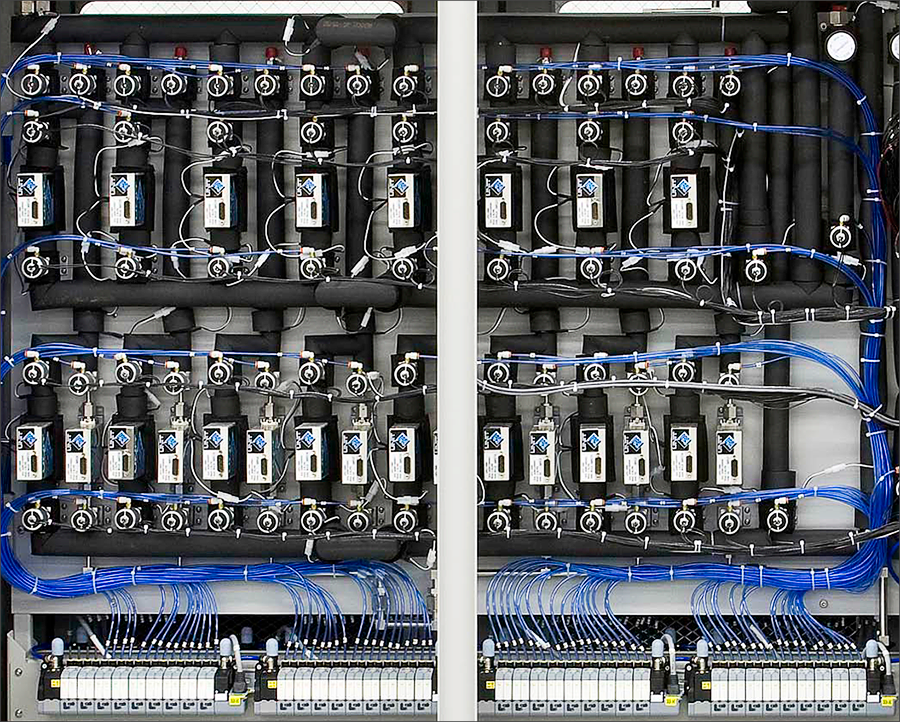
In industries that require precise and contamination-free environments, the quality of gases used can be the difference between success and failure. From semiconductor manufacturing to pharmaceuticals, the purity of gases must meet stringent standards to ensure both product integrity and operational efficiency. Purity gas delivery systems play a vital role in this process, ensuring the consistent supply of high-quality gases while preventing contamination. This article explores the essential components of these systems, the industries that rely on them, and the strategies used to maintain high-quality standards in sensitive environments.
The Role of Purity Gas Delivery Systems
Ultra High Purity Gas Delivery System s are designed to safely and accurately deliver gases, such as nitrogen, oxygen, hydrogen, and specialty gases, to critical processes. These systems are engineered to control not only the pressure and flow rate of the gases but also to maintain their purity levels throughout the entire delivery process. A deviation in purity levels can have detrimental effects, from affecting the quality of manufactured products to compromising the safety of industrial operations.
In many industries, including semiconductor production, analytical laboratories, and pharmaceuticals, even the smallest trace of contamination can result in the failure of sensitive processes. Contaminants such as moisture, particulates, and impurities from the gas supply can introduce variations in product quality or cause equipment malfunctions. Therefore, a robust gas delivery system must be designed with special attention to eliminating or reducing potential sources of contamination.
Key Components of a Purity Gas Delivery System
A typical purity gas delivery system consists of several components, each carefully selected and maintained to preserve gas quality. Some of the most important elements include:
-
Gas Cylinders and Storage Tanks: The source of the gases is often stored in high-pressure cylinders or large storage tanks. These storage containers must be free of contaminants before gas is stored. Regular cleaning and testing are essential to avoid introducing impurities into the system.
-
Filtration Systems: Filters play a crucial role in removing solid particulates, moisture, and oil from the gas before it enters the delivery line. High-efficiency filters are typically used in purity gas delivery systems to ensure that even the smallest contaminants are captured. These filters must be changed regularly to maintain their effectiveness.
-
Regulators and Flow Meters: These components control the flow rate and pressure of the gases, ensuring that they meet the precise needs of the application. Maintaining proper flow and pressure is critical, as fluctuations can affect gas purity and process efficiency.
-
Piping and Hoses: The materials used in the piping and hoses should be compatible with the gas being delivered. Stainless steel is commonly used due to its resistance to corrosion and ability to maintain the integrity of the gas supply.
-
Monitoring and Control Systems: Sensors and monitoring equipment are used to track the purity, pressure, and flow of gases in real-time. These systems alert operators to any deviations in the desired parameters, allowing for prompt corrective actions.
-
Pressure Relief Valves: These valves are essential for maintaining the safety of the system. By preventing over-pressurization, they help ensure the continued reliability and safety of the gas delivery process.
Industry Applications of Purity Gas Delivery Systems
Various industries rely on purity gas delivery systems to maintain product quality, process integrity, and safety. Some of the most notable applications include:
-
Semiconductor Manufacturing: In semiconductor fabrication, gases such as nitrogen, oxygen, and specialty gases are used in extremely precise processes. Even minute contamination can damage delicate components, making purity gas delivery systems essential to achieving the required product specifications.
-
Pharmaceutical Manufacturing: Pharmaceutical production often involves processes that are highly sensitive to the purity of gases. Any impurity in the gases can compromise the safety and efficacy of the drugs produced. As such, maintaining the highest purity standards is a non-negotiable aspect of the industry.
-
Food and Beverage Processing: Many food and beverage companies use gases such as carbon dioxide and nitrogen for packaging, preservation, and carbonation. Contaminated gases can lead to spoilage, reduced shelf life, or undesirable chemical reactions in the final product.
-
Laboratories and Analytical Applications: High-purity gases are essential in laboratories, where they are used in chromatography, mass spectrometry, and other sensitive analytical techniques. Contamination of the gases can lead to inaccurate test results and unreliable data.
Maintaining High-Quality Standards in Sensitive Environments
Ensuring the purity of gas delivery systems requires regular maintenance and monitoring. Operators must routinely inspect filters, pipelines, and storage tanks for contaminants and wear. Furthermore, the system should be periodically tested for leaks, and any potential sources of contamination, such as impurities in raw materials, should be eliminated.
In addition to equipment maintenance, the implementation of stringent quality control procedures is necessary. This includes thorough documentation of gas sources, purification processes, and system inspections, which help ensure compliance with regulatory standards.
Conclusion
Purity gas delivery systems are integral to industries where contamination control is critical. By maintaining a consistent and reliable supply of high-quality gases, these systems help preserve the integrity of sensitive processes and products. Understanding the components, maintenance practices, and applications of these systems can help ensure that industries continue to meet the rigorous demands of purity and safety. Ultimately, these systems play a vital role in maintaining high-quality standards and supporting the success of operations in sectors that cannot afford any compromise in gas purity.