
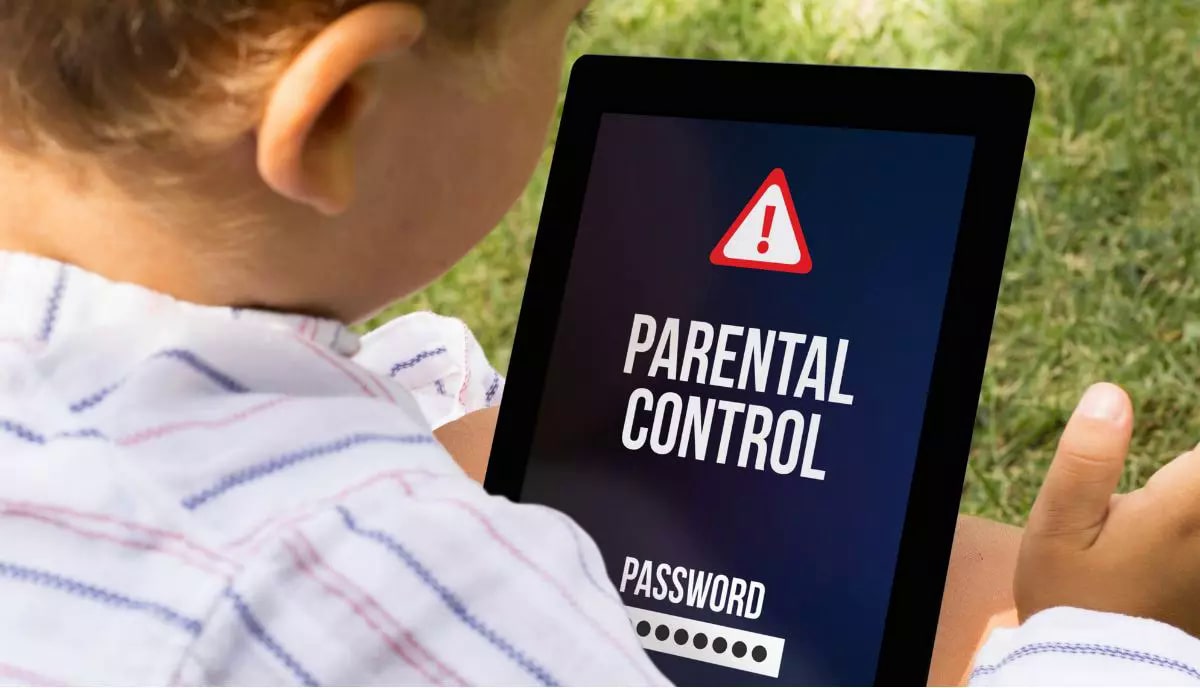
In today’s digital age, the line between parental trust and necessary supervision is more nuanced than ever. With smartphones, social media, and streaming platforms integrated into the daily lives of children, parents often face a difficult question: how can they protect their children online without eroding trust or invading their privacy? Enter the new generation of parental control tools—designed not just for monitoring, but for fostering open communication, mutual respect, and stronger family bonds.
The Evolution of Parental Control: From Restriction to Responsibility
Traditional parental controls focused primarily on restriction—blocking websites, setting time limits, and monitoring messages. While effective in certain contexts, these tools were often seen by children and teens as intrusive. This perception could damage the parent-child relationship, creating secrecy rather than safety.
Modern parental control tools SpyNote real-time tracking , however, have evolved. Instead of simply surveilling digital behavior, they offer features that encourage transparency and collaborative rule-setting. Tools like Qustodio, Bark, and Google Family Link allow parents to set boundaries with input from their children, creating a more cooperative environment. The emphasis is shifting from control to guidance.
Building Trust Through Transparency
One of the most effective ways modern tools foster trust is through transparency. Unlike covert monitoring software of the past, today’s apps often notify children when their activity is being tracked. This creates an opportunity for open dialogue. Parents can explain why certain apps are off-limits or why screen time should be limited, turning restrictions into teachable moments rather than punishments.
For example, Bark not only monitors content for signs of cyberbullying, self-harm, or explicit material, but also alerts parents with context and suggestions for conversation. This makes the parent’s response more thoughtful and supportive, rather than reactionary. Children, in turn, feel heard and understood—key components in maintaining trust.
Encouraging Digital Literacy and Responsibility
Modern parental control tools also act as educational aids. By reviewing app usage reports or screen time summaries together, parents can help children reflect on their own digital habits. Instead of forcing kids to unplug, families can collaborate on setting healthy limits that work for everyone.
This empowers children to become more aware of their digital behaviors and to self-regulate—a crucial skill in an increasingly connected world. The goal isn’t to catch kids doing something wrong but to guide them in making responsible choices.
Privacy Matters: Respecting Boundaries
Despite the need for oversight, children—especially teenagers—need personal space. Overly invasive tools that read every text or record every keystroke can lead to resentment and rebellion. That’s why many of today’s tools offer flexible settings, allowing parents to monitor general behavior trends without accessing private conversations unless there’s a clear warning sign.
This balance helps children feel respected, which reinforces the idea that parental supervision is about care, not control. It models a healthy approach to boundaries—both online and offline.
Strengthening Family Bonds in the Digital Age
When used thoughtfully, parental control tools spy on WhatsApp and calls can actually enhance communication within families. They open the door to important conversations about internet safety, peer pressure, online ethics, and mental health. They give parents insight not only into what their children are doing online, but also how they’re feeling and coping in an increasingly complex world.
The best outcomes come when digital supervision is combined with trust, empathy, and regular check-ins. Families that use these tools collaboratively often report stronger relationships and a greater sense of mutual understanding.
Conclusion: A Partnership, Not Policing
Parental control tools are no longer just about restriction—they’re about creating a safe, respectful digital environment for children to grow. When used as part of a broader parenting strategy that includes open communication, education, and empathy, these tools can strengthen family bonds rather than strain them.
By shifting the focus from surveillance to support, parents can help their children navigate the online world with confidence, responsibility, and trust.