
Other

The Importance of Drainage Cleansing: A Guide to Proper Drain Maintenance

Drainage systems are the unsung heroes of any building or property. They work behind the scenes to efficiently channel rainwater, wastewater, and other liquid waste away from structures, keeping everything dry and safe. But just like any essential system, drains require attention and maintenance. Over time, clogs, blockages, and debris can accumulate, leading to inefficient drainage and even serious damage. This is why drainage cleansing is an essential aspect of property upkeep.

In this article, we’ll explore the importance of drainage cleansing, common issues that affect drainage systems, methods for proper maintenance, and how regular care can save you from costly repairs and disruptions.


Why Drainage Cleansing Is Crucial

  1. Avoiding Flooding and Water Damage

    The primary function of a drainage system is to carry water away from a building to prevent flooding. When drains are blocked, they can no longer efficiently direct water away, leading to puddles around the foundation, potential basement flooding, and significant water damage. Over time, this water can infiltrate your home’s structure, causing mold, mildew, wood rot, and even foundation cracks. Regular drainage cleaning ensures that your drainage system remains free from obstructions, keeping water flowing smoothly and preventing costly water damage.

  2. Preserving the Structural Integrity of Your Property

    Water pooling around a building's foundation can weaken the structure over time. Moisture from blocked drains can lead to erosion and shifts in the foundation, potentially resulting in cracks or misalignment. By maintaining a clean drainage system, you safeguard your property’s structural integrity and reduce the risk of long-term damage.

  3. Preventing Unpleasant Odors and Health Hazards

    Blocked drains can become a breeding ground for bacteria, mold, and even pests. Stagnant water in clogged pipes creates the perfect environment for microbial growth, leading to foul odors that seep into your home or business. In addition, bacteria and mold can pose serious health risks, particularly to people with respiratory conditions or weakened immune systems. Drainage cleansing removes the buildup of organic materials that contribute to these health hazards.

  4. Improving Water Flow Efficiency

    Over time, debris, grease, and other materials can accumulate in pipes, restricting water flow. This can result in slow-draining sinks, bathtubs, or toilets, making everyday tasks a hassle. In severe cases, complete blockages can occur, leading to overflowing drains. Regular cleaning removes this buildup, restoring water flow and preventing the need for expensive repairs or replacements.

  5. Enhancing the Lifespan of Plumbing Systems

    Just like any other system in your property, your plumbing and drainage systems have a finite lifespan. However, regular maintenance can significantly extend their longevity. By cleaning your drains regularly and addressing minor issues before they become major problems, you reduce the wear and tear on your pipes and plumbing, helping them last longer and saving money on expensive replacements.


Common Causes of Drainage Problems

Understanding the causes of drainage issues can help you take preventative measures and avoid blockages in the future. Here are some of the most common culprits that lead to drainage problems:

  1. Debris and Leaves

    One of the primary causes of drain blockages, especially in outdoor systems, is the accumulation of debris and leaves. These materials often collect in gutters and downspouts, blocking the flow of water. During the fall months, leaf litter can quickly overwhelm a drainage system, causing overflow and potential damage to the building’s foundation. It is important to regularly clean out gutters and outdoor drains to prevent debris from clogging the system.

  2. Grease and Fat Buildup

    Grease and fats from cooking often find their way down the kitchen drain. Over time, these substances solidify and stick to the inside of pipes, creating sticky clogs that restrict water flow. This problem is particularly common in older properties with less advanced plumbing systems. Cleaning your drains regularly and avoiding pouring grease down the sink can help prevent this buildup.

  3. Hair and Soap Scum

    In bathrooms, hair and soap scum are major contributors to clogged drains. When hair falls into the drain, it can mix with soap residue, creating a thick sludge that slows water flow. This is particularly problematic in shower and bathtub drains, which are more susceptible to hair buildup. Regular drain cleaning can help avoid these blockages and maintain proper drainage.

  4. Tree Root Intrusion

    Tree roots are a hidden threat to drainage systems. Over time, roots from nearby trees can grow into the pipes, searching for water. Even small cracks or joints in the pipes can allow roots to penetrate the system, causing serious blockages and even pipe damage. Tree roots are one of the most challenging 通渠推薦 problems to address, often requiring professional help and specialized equipment.

  5. Foreign Objects

    It’s easy to mistakenly flush or wash items down the drain that shouldn’t be there, like cotton balls, wet wipes, hygiene products, or food scraps. These materials don’t break down easily and can cause clogs in the pipes. Over time, these small mistakes can lead to bigger problems that may require expensive repairs. Always be cautious about what goes down your drains and dispose of non-degradable items in the trash.


How to Clean Your Drains

There are several methods for keeping your drains clean and clear of obstructions. Some methods can be performed by homeowners, while others may require the expertise of professional plumbers or drainage specialists.

  1. Manual Snaking

    One of the most straightforward methods for clearing a clogged drain is using a manual drain snake (also known as an auger). This tool is a coiled, flexible metal wire that can be inserted into a drain to break up or pull out the debris causing the blockage. While effective for minor clogs, a drain snake might not be sufficient for more severe blockages or deep-rooted problems.

  2. High-Pressure Water Jetting

    High-pressure water jetting is an effective method for clearing stubborn blockages and cleaning pipes. A high-pressure hose is fed into the drain, and a powerful stream of water is directed into the pipes to dislodge and flush out the debris. This method is highly effective at clearing grease, tree roots, and other tough blockages without causing damage to the pipes.

  3. Enzyme-Based Drain Cleaners

    Enzyme-based drain cleaners are a natural and eco-friendly option for maintaining clear drains. These cleaners contain bacteria and enzymes that break down organic material like food particles, grease, and soap scum. While they are slower to act than chemical drain cleaners, they are gentler on your pipes and provide long-term benefits by keeping your drains free from buildup.

  4. Chemical Drain Cleaners

    Chemical drain cleaners are a quick and effective solution for clearing clogs, especially those caused by grease or soap. These products dissolve the material blocking the drain, allowing water to flow freely. However, they should be used with caution, as repeated use of chemical cleaners can damage your pipes over time. They are also harmful to the environment, so it’s best to reserve them for occasional use or consider safer alternatives when possible.

  5. CCTV Drain Inspections

    When facing persistent drainage issues or when the cause of a blockage is unclear, CCTV drain inspections can be extremely helpful. A small, waterproof camera is inserted into the drain to provide a real-time view of the inside of the pipes. This allows professionals to identify the exact cause of the problem, such as tree root intrusion, pipe cracks, or extensive debris buildup, and determine the best course of action for repair.


Tips for Preventing Drain Blockages

While regular drainage cleansing is essential, prevention is always better than cure. Here are some simple yet effective steps to prevent drain clogs and maintain an efficient drainage system:

  1. Regularly Clean Your Gutters and Downspouts

    Make it a habit to clean your gutters and downspouts at least twice a year, particularly during fall when leaves are more likely to accumulate. Keeping gutters clear helps prevent debris from entering your drainage system and causing clogs.

  2. Avoid Pouring Grease Down the Drain

    Never pour cooking oils, fats, or grease down the sink. These substances harden in pipes and contribute to blockages. Instead, collect grease in a container and dispose of it in the trash.

  3. Install Drain Screens or Traps

    Installing mesh screens or drain traps over sinks, showers, and bathtubs can help catch debris like hair and food particles before they enter the drain. This simple step can save you a lot of time and effort when it comes to cleaning.

  4. Be Mindful of What You Flush

    Only flush toilet paper and human waste down the toilet. Items like wipes, hygiene products, and paper towels should never be flushed, as they do not break down and can quickly clog your pipes.

  5. Schedule Routine Drain Inspections

    Even if you don’t notice any immediate issues, it’s a good idea to have your drains inspected by a professional every couple of years. Regular inspections can catch minor problems early on, preventing them from escalating into major issues that could cause significant damage.


Conclusion

Drainage cleansing is an often-overlooked but essential aspect of property maintenance. By ensuring that your drainage system is free from blockages, you can prevent flooding, water damage, and costly repairs. Regular drain cleaning helps maintain water flow, reduces the risk of microbial growth, and enhances the overall health of your plumbing system.
Health & Fitness

Chinese Medicine: A Pathway to Holistic Healing and Wellness

For over two millennia, Chinese 筲箕灣拔罐 has provided a rich and nuanced approach to healing, focusing on restoring balance and harmony between the body, mind, and spirit. With its deep roots in ancient philosophy, this system of medicine has evolved into a comprehensive health system that goes far beyond treating symptoms—focusing instead on understanding the underlying causes of illness. In recent years, its popularity has soared in the West, as people seek natural and integrative therapies to complement or even replace conventional Western medical treatments. This article explores the core principles, therapeutic methods, and modern relevance of Chinese medicine.

The Philosophical Foundations of Chinese Medicine

Chinese medicine is deeply intertwined with traditional Chinese philosophy, particularly Taoism and Confucianism. These philosophies emphasize balance, harmony, and the interconnectedness of all things. The health system is based on an understanding of the human body as part of a larger natural world, and health is viewed as a dynamic balance between various energies.

1. Qi (Chi) – The Vital Life Force

The concept of Qi (pronounced "chee") is at the heart of Chinese medicine. Qi refers to the vital life force or energy that flows through all living things. It is the fundamental force behind all bodily functions, from digestion to thought processes, and it must flow freely and evenly for good health. Qi circulates through the body along pathways known as meridians, which are interconnected with various organs. When Qi is stagnant, deficient, or imbalanced, illness arises. Thus, treatments like acupuncture and herbal medicine aim to regulate and restore the flow of Qi throughout the body.

2. Yin and Yang – The Dynamic Equilibrium

Yin and Yang are two opposing but complementary forces that represent the dual nature of the universe. Yin is associated with qualities such as coolness, passivity, and stillness, while Yang embodies heat, activity, and light. Chinese medicine maintains that a person’s health depends on the balance between Yin and Yang. For example, if a person has an excess of Yang energy (characterized by symptoms like agitation or fever), they may need treatment to restore Yin. If there is an imbalance, it can manifest as illness or discomfort. Thus, the goal of Chinese medicine is to harmonize these forces.

3. The Five Elements – Nature’s Blueprint

The Five Elements theory (Wood, Fire, Earth, Metal, and Water) is another critical component of Chinese medicine. Each element is associated with a specific organ, emotion, season, and quality of life. For example, the Wood element is connected to the Liver and the emotion of anger, while the Earth element relates to the Spleen and worry. These elements interact in cycles of generation and control, and imbalances within one element can affect the others. Practitioners use the Five Elements as a diagnostic tool to understand the root causes of illness and design a treatment plan that restores harmony.

Key Modalities in Chinese Medicine

Chinese medicine employs a variety of diagnostic and therapeutic techniques to restore balance and promote wellness. While some of these therapies have become widely recognized worldwide, others remain closely tied to Chinese cultural traditions.

1. Acupuncture – The Art of Qi Regulation

Acupuncture is arguably the most well-known practice of Chinese medicine outside of China. It involves inserting very fine needles into specific points on the body, which correspond to various organs, systems, and energy pathways. These acupuncture points are located along the body’s meridians, which can be thought of as channels through which Qi flows. The goal of acupuncture is to regulate the flow of Qi, clear blockages, and restore balance within the body. It is commonly used to treat pain, digestive issues, stress, insomnia, and many other conditions.

Acupuncture has gained widespread recognition in the West as an effective treatment for pain management and stress reduction. Research supports its efficacy for conditions like chronic back pain, osteoarthritis, and migraine headaches. It is also a key modality in fertility treatments and is often used alongside in vitro fertilization (IVF) to enhance the chances of success.

2. Herbal Medicine – A Synergy of Nature and Healing

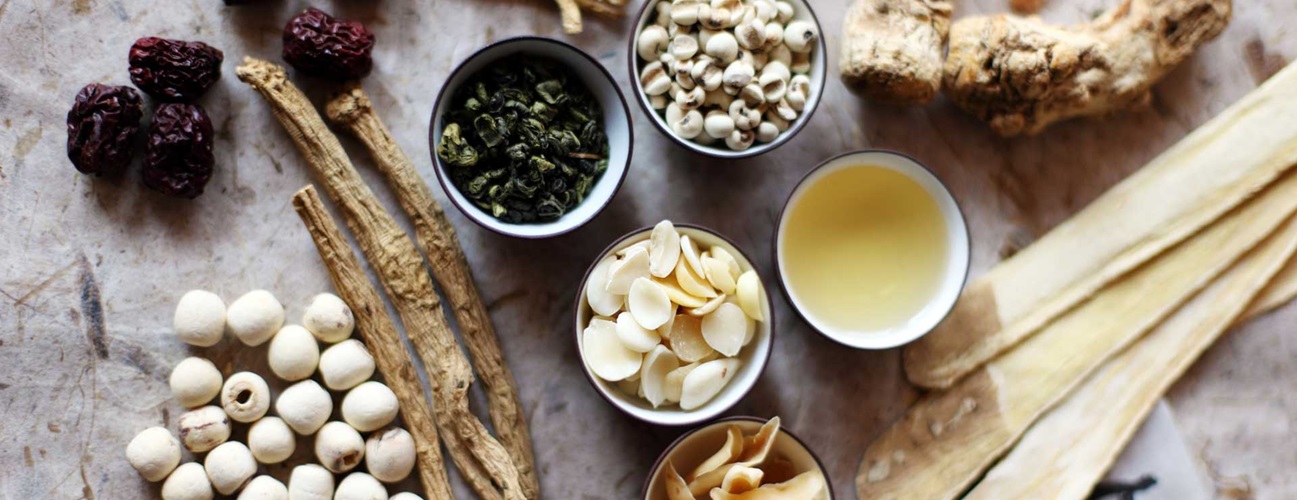
Herbal medicine is one of the oldest forms of treatment in Chinese medicine. With a rich pharmacopoeia of over 13,000 herbs, Chinese medicine utilizes plant-based, animal-based, and mineral-based substances to create formulas tailored to the individual’s unique condition. Unlike Western pharmacology, which often uses isolated compounds, Chinese herbal formulas tend to combine several herbs to enhance their effects and minimize side effects.

Common herbs used in Chinese medicine include:

  • Ginseng: Used to boost energy, improve stamina, and strengthen immunity.
  • Astragalus: Often used to enhance the immune system and prevent colds and respiratory infections.
  • Dang Gui: A well-known herb in women's health, particularly for regulating menstruation and alleviating symptoms of menopause.
  • Huang Qi: Known for its anti-inflammatory and immune-boosting properties.

Herbal formulas are typically prescribed in combination, addressing the unique needs of each individual, and may be taken as teas, capsules, or powders.

3. Cupping Therapy – Drawing Out Stagnation

Cupping therapy has become increasingly popular in the West, thanks in part to its widespread visibility during the 2008 Olympics, where athletes like Michael Phelps were seen with circular bruises on their backs from cupping treatments. Cupping involves placing glass or plastic cups on the skin and creating a vacuum, which draws the skin and underlying tissue into the cup. This process is thought to increase circulation, improve Qi flow, and remove stagnation.

Cupping is particularly effective for musculoskeletal conditions like back pain, but it is also used for respiratory conditions like asthma and bronchitis. The suction effect can help loosen tight muscles, relieve pain, and promote healing by stimulating the body’s natural recovery processes.

4. Moxibustion – Harnessing the Power of Heat

Moxibustion is the practice of burning dried mugwort (moxa) near specific acupuncture points to warm the body, improve circulation, and enhance the flow of Qi. It is particularly beneficial for individuals with cold or stagnant conditions, such as digestive issues or joint pain. There are two main types of moxibustion: direct and indirect. In direct moxibustion, moxa is placed directly on the skin and burned, while in indirect moxibustion, a moxa stick is held near the skin to provide warmth.

Moxibustion is often used in conjunction with acupuncture to treat a variety of conditions, such as menstrual irregularities, low energy, and chronic pain.

5. Tai Chi and Qigong – Moving Meditation for Vitality

Tai Chi and Qigong are ancient Chinese practices that combine slow, deliberate movements with focused breathing and meditation. Both aim to cultivate and balance Qi, enhancing physical strength, mental clarity, and emotional well-being. Tai Chi is a martial art that is often practiced for its health benefits, while Qigong involves more meditative exercises aimed at cultivating internal energy.

Both practices are now widely used to reduce stress, improve flexibility and balance, and enhance overall health. They have been shown to improve circulation, boost the immune system, and even support emotional well-being.

The Modern Relevance of Chinese Medicine

As interest in holistic and integrative health grows, Chinese medicine has become increasingly popular in the West, offering effective treatments for a wide range of conditions. Many people are turning to Chinese medicine for chronic pain management, stress reduction, mental health support, and general wellness. The holistic nature of Chinese medicine makes it an attractive option for those seeking alternatives to pharmaceutical treatments.

1. Chronic Pain and Injury

One of the most significant benefits of Chinese medicine is its ability to address chronic pain. Acupuncture, cupping, and herbal medicine are often used to manage conditions like arthritis, fibromyalgia, and lower back pain. These treatments are non-invasive and generally free from the side effects that can accompany long-term use of pain medications.

2. Mental Health and Emotional Well-being

In an increasingly fast-paced and stressful world, Chinese medicine offers effective treatments for mental health concerns like anxiety, depression, and insomnia. Acupuncture and herbal medicine can help restore balance in the body’s systems, leading to improved mood, reduced stress, and better sleep quality. Practices like Tai Chi and Qigong also help individuals cope with emotional stress by promoting relaxation and mental clarity.

2. Yin and Yang – The Dynamic Equilibrium

0

Chinese medicine has a long history of treating fertility issues, menstrual disorders, and menopause symptoms. By balancing the body’s energy, improving blood flow to the reproductive organs, and harmonizing hormonal levels, acupuncture and herbal remedies can enhance fertility and support women’s health throughout various life stages.

Conclusion

Chinese medicine represents a rich and ancient tradition that offers a unique and holistic approach to health and healing. Rooted in the principles of balance, energy, and harmony, Chinese medicine provides powerful tools for treating a wide array of physical, mental, and emotional conditions. Whether as a stand-alone treatment or as a complement to Western medicine, Chinese medicine continues to offer valuable insights and effective therapies for modern-day wellness. Its emphasis on prevention, individualized care, and natural healing makes it a timeless and relevant approach to achieving lasting health and well-being.

Health & Fitness

Enhancing Health The Role Of Wellness Clinics

Health clinics are entire components of our bon ton providing crucial لیزر شقاق care services to the community. These centers are typically the first place of touch for many individuals quest medical checkup assistance, especially those who cannot give fixture infirmary care. Equitable get at to health care services is a fundamental right, which is upheld and complete through health clinics.

The comprehensive medical checkup aid offered by health clinics goes beyond just treating illnesses. They also focalise extensively on disease bar. This involves educating the community about various health issues, promoting healthy habits, and providing prophylactic screenings. The prophylactic care services let in immunizations, mammograms,:oscopies, and more. The relative incidence of many degenerative health conditions can be significantly rock-bottom through such proactive measures.

Health Clinics also play an earthshaking role in providing care to weak populations. These let in the uninsurable, underinsured, low-income earners, immigrants and people residing in rural areas. The accessibility of cheap health care options ensures that these populations are not left behind and have a chance at leadership a healthier lifestyle. For these communities, wellness clinics not only volunteer consultation and treatment, but also get at to prescription medicines at lour costs.

Integration of mental health services is another material view of wellness clinics. Mental wellness issues can be exhausting and can importantly compromise an someone’s timber of life. However, the brand sessile to unhealthy health often discourages populate from quest help. By incorporating mental health services, these clinics see to it that mental health care is easily accessible to everyone. Plus, the secrecy and confidentiality offered help people feel more comfortable quest the help they need.

In summary, the roles of wellness clinics in promoting healthy, just communities are multi-dimensional. Not only do they ensure access to cheap medical examination care, but also play a vital role in promoting overall well-being through preventive care and education. With the advancements in health care engineering and a patient-centric set about, health clinics will carry on to develop and better do their communities. Their grandness, beyond question, will only uphold to grow.

Health & Fitness

피로를 성과로 바꾸는 출장마사지·출장안마 전략 가이드

왜 출장마사지·출장안마가 현대 직장인에게 필요할까

이동이 업무의 일부가 된 시대, 장거리 비행과 장시간 차량 이동은 몸을 지속적으로 긴장 상태로 몰아넣는다. 고정된 좌석에서의 오랜 정적, 시간대 변화로 인한 생체리듬 교란, 급박한 일정이 결합되면 교감신경 과활성, 말초 순환 저하, 근막 유착과 같은 문제가 겹겹이 쌓인다. 출장마사지와 출장안마는 이러한 피로의 고리를 끊어, 신체를 회복 모드로 전환시키는 실용적이고 과학적인 개입이다. 단순한 휴식으로는 풀리지 않는 어깨 결림, 허리 뻐근함, 두피 긴장, 하지 부종에 접근하여, 업무 집중력과 회복 탄력성을 동시에 끌어올린다.

출장마사지의 핵심은 개인화다. 장거리 비행 직후에는 하체 중심의 림프 흐름을 촉진하고, 좌식 시간이 길었던 날에는 고관절 굴근과 흉추 가동성을 열어주는 프로토콜이 효과적이다. 순환을 돕는 스웨디시, 깊은 응어리를 풀어주는 딥티슈, 부종 완화에 특화된 림프드레나지, 화면 작업으로 과부하가 걸린 승모근·견갑거근 라인에 대한 근막 이완이 대표적이다. 기술을 적절히 조합하면, 호흡이 깊어지고 부교감신경이 활성화되어 심박 변이도(HRV)와 수면의 질이 개선되는 경향을 보인다. 이는 곧 의사결정의 선명도, 담대함, 회의 집중시간의 연장으로 이어진다.

특히 일정이 촘촘한 리더와 세일즈 인력, 창업자에게 출장마사지는 일종의 컨디셔닝 툴이다. 짧고 정밀한 30~45분 세션으로도 어깨 관절가동범위(ROM)를 늘리고, 중추피로감을 낮춰 오후 피크 타임에 에너지를 재배치할 수 있다. 개발자나 디자이너처럼 정밀 작업이 많은 직군은 손목 굴근·신근 라인과 흉곽의 움직임을 살려 미세근육의 피로를 덜어준다. 중요한 것은 “그날의 미션”에 맞춘 설계다. 대면 프레젠테이션 전에는 활력을, 장거리 이동 후에는 안정과 숙면 유도를, 연속 회의일에는 목·턱·두피의 긴장을 풀어 언어와 사고 흐름을 매끄럽게 만드는 식으로 목적을 명확히 한다.

정리하자면, 출장마사지와 출장안마는 사치가 아니라 성과를 지키는 방어선이다. 소요 시간 대비 체감 효용이 높고, 운동·영양·수면 루틴과 결합할 때 시너지가 크다. 컨디션은 우연이 아니라 설계의 결과이며, 그 설계의 실무적 도구로 전문적인 터치가 존재한다.

서비스 선택 기준과 안전 체크리스트

품질과 안전을 동시에 확보하려면 명확한 기준이 필요하다. 첫째, 자격과 경력. 국가자격, 스포츠 마사지 또는 근골격계 특화 교육 이수, 아나토미·생리학에 대한 이해는 기본이다. 여기에 스웨디시·딥티슈·근막 이완·림프드레나지 등 테크닉 포트폴리오가 다양할수록 개인화가 쉬워진다. 둘째, 커뮤니케이션. 기존 질환, 최근 부상, 항응고제 복용, 수면 패턴, 기대하는 결과를 사전에 묻고 강도(RPE)를 세션 중 수시로 조절하는 프로토콜이 이상적이다. “센 압=좋은 마사지”라는 통념은 위험할 수 있다. 적정 자극으로도 충분히 깊은 이완과 기능 회복이 가능하다.

셋째, 위생과 환경. 1회용 시트·타월, 피부 타입에 맞는 오일/밤, 알러지 유발 성분 확인, 도구 소독은 필수다. 호텔·사무실·자택 어디든, 적정 조도와 온도, 방해받지 않는 공간을 확보하면 효과가 올라간다. 넷째, 개인정보와 경계. 섬세한 배려와 드레이핑, 동의 기반의 터치, 기록 보안은 신뢰의 핵심이다. 촬영 장비가 있는 장소라면 렌즈 가림과 오프 기록을 요청하자. 다섯째, 합법성. 사업자 등록, 결제 증빙, 취소·환불 정책의 투명성은 서비스의 기본기다. 후기의 구체성과 일관성도 지표가 된다.

건강 안전도 동일하게 중요하다. 열이 있거나 급성 염증, 심부정맥혈전증(DVT) 의심, 최근 수술, 조절되지 않는 고혈압, 임신 초기와 같은 상황에서는 의사와 상담 후 진행하는 것이 안전하다. 비행 직후 종아리 통증·국소 부종·압통이 있다면 강한 압박은 피하고, 즉시 의료평가를 받자. 반대로 장시간 좌식으로 인한 광범위한 뻣뻣함과 피로에는 부드러운 순환 중심 접근이 더 유효하다. 섭취 측면에서는 세션 1~2시간 전 과식과 과도한 카페인을 피하고, 수분·전해질을 충분히 보충하면 회복이 빨라진다.

예약 채널 선택도 전략이다. 일정 변경이 잦다면 실시간 스케줄 조정이 가능한 플랫폼이 편리하고, 특정 테크닉이 필요하다면 전문가 풀을 확인하자. 신뢰할 수 있는 출장안마 네트워크를 통해 지역·시간대·전문성을 기준으로 매칭하면 시행착오를 줄일 수 있다. 마지막으로, 가격은 명확해야 한다. 이동 거리 가산, 야간·주말 요금, 테이블 반입 여부, 스트레칭·테이핑 추가 비용 등 포함·제외 범위를 사전에 확인하자. 비용 대비 가치는 사용 목적(숙면, 통증 관리, 퍼포먼스 상승)에 얼마나 맞춤화되었는지로 결정된다.

실전 사례로 보는 회복 프로토콜과 운영 팁

사례 1: 연속 미팅이 있는 해외 출장을 앞둔 영업 디렉터. 출발 전날 45분 세션에서 고관절 굴근과 흉추를 열고, 횡격막·늑간근을 풀어 깊은 호흡 패턴을 회복한다. 착륙 직후에는 30분 하체 중심 림프·발목 가동성·종아리 펌핑을 적용해 순환을 끌어올린다. 첫날 저녁에는 딥티슈 강도를 낮추고, 두피·경부 이완으로 신경계 다운시프트를 유도해 수면 발현 시간을 단축한다. 웨어러블 지표상 HRV·수면 점수가 개선되는 경향을 보이며, 다음 날 프레젠테이션 집중도가 높아진다. 핵심은 “전·중·후”의 단계별 목표 설정과 자극의 강약 조절이다.

사례 2: 72시간 해커톤에 투입된 제품팀. 팀 리드가 15~20분 체어 마사지 로테이션을 설계한다. 승모근 상부·견갑 하각 주변의 근막 유착을 가볍게 풀고, 전완 굴근·신근 라인을 번갈아 케어하며, 90분마다 3분 스트레칭·눈 휴식·수분 보충을 루틴화한다. 칸막이가 있는 조용한 룸, 소음 최소화, 간단한 스케줄 보드, 강도 피드백(1~10 스케일) 체크가 운영 포인트다. 테라피스트 1인당 시간당 2~3명 배치가 효율적이며, 심화 케어가 필요하면 가장 피로도가 높은 구성원에게 30분 세션을 추가한다. 이 방식은 팀 전체 퍼포먼스의 바닥을 끌어올려, 지연성 퍼포먼스 하락을 예방한다.

사례 3: 하프마라톤 후 바로 출장 일정이 겹친 매니저. 24~48시간 이내에는 강한 딥티슈를 피하고, 림프드레나지와 부드러운 근막 슬라이딩, 발목·무릎 가벼운 가동성 회복을 중심으로 한다. 수분·전해질 보충, 가벼운 산책, 압박 양말, 온·냉 교대요법으로 부종을 완화한다. 48시간 이후 필요 시 트리거포인트·딥티슈로 전환하되, 통증 재현이 아닌 기능 회복에 초점을 둔다. 이처럼 운동과 이동이 겹치는 일정에서는 시기별 자극의 농도와 목표를 구분하는 것이 부상 예방의 핵심이다.

현장에서 바로 적용할 수 있는 프로토콜도 유용하다. 일정이 빽빽한 날은 아침 10분 전신 브러싱·호흡 4-7-8·경추 가동성을 루틴화하고, 점심 이후에는 종아리 펌핑 2분과 흉곽 확장 스트레칭, 밤에는 20~30분 저강도 순환 중심 출장마사지로 수면 스위치를 내린다. 세션 시작 전에는 목표(숙면, 집중, 통증 경감)를 한 줄로 정의하고, 금기·민감 부위를 공유한다. 세션 중간중간 RPE를 묻고 1~2단계 강도를 상하 조정하며, 끝나기 3분 전에는 두피·귀 주변·측두근 이완으로 잔여 긴장을 마무리한다.

조합 전략(스택킹)도 성과를 좌우한다. 마사지를 중심축으로 하되, 5분 호흡 훈련, 경부·흉곽 동적 스트레칭, 10분 요가 니드라, 취침 1~2시간 전 차광·스크린 타임 컷, 마그네슘 글리시네이트와 따뜻한 샤워 같은 수면 위생을 더하면 회복 곡선이 가팔라진다. 이동이 잦은 이들을 위한 ‘마이크로 케어 킷’(마사지볼·미니 밴드·트래블 사이즈 오일·아이마스크)을 준비해, 대기 시간마다 3~5분 셀프 릴리스를 수행하면 세션 효과가 오래 간다. 무엇보다 중요한 것은 일관성이다. 한 번의 ‘극적’ 세션보다, 일정에 맞춘 반복적이고 정밀한 관리가 결과를 만든다.

Blog

Gaming

Review Noble Keunggulan dan Risiko Judi Online

Dalam beberapa tahun terakhir, judi online semakin populer di Indonesia, termasuk platform seperti Noble. Artikel ini akan mengupas tuntas kelebihan, risiko, dan dampak sosial dari judi online, dengan fokus pada kasus-kasus unik yang jarang dibahas.

Statistik Terkini Judi Online di Indonesia (2023)

Menurut data Kemenkominfo, nilai transaksi judi online di Indonesia mencapai Rp100 triliun pada 2023 m88 alt.com Fakta mengejutkan lainnya:

  • 62% pemain berusia 18-35 tahun
  • Platform seperti Noble memiliki 1,2 juta pengguna aktif bulanan
  • Kerugian akibat judi online rata-rata Rp25 juta per korban

Kasus Unik yang Jarang Dikupas

Berikut dua studi kasus menarik terkait judi online:

Kasus 1: Karyawan Bank yang Menipu untuk Judi

Seorang teller bank di Surabaya menggelapkan dana nasabah sebesar Rp3,7 miliar untuk bermain di Noble. Korban mengaku mulai dari taruhan kecil, lalu terjebak “sunk cost fallacy” – terus menambah taruhan untuk menutupi kerugian.

Kasus 2: Sindikat Judi Online Berkedok Bisnis Startup

Polisi menggulung jaringan judi online di Jakarta yang menyamar sebagai perusahaan IT. Mereka menggunakan platform mirip Noble dengan sistem referral kompleks, menjaring 5.000 member sebelum dibongkar.

Perspektif Psikologis: Mengapa Orang Terjebak?

Psikolog klinis, Dr. Anita Mardiana, menjelaskan tiga faktor utama:

  • Dopamin rush: Sensasi menang memicu ketagihan seperti narkoba
  • Efek ilusi kontrol: Pemain percaya bisa mengendalikan hasil taruhan
  • Eskapisme: Pelarian dari masalah kehidupan nyata

Dampak Sosial yang Sering Diabaikan

Selain kerugian finansial, judi online seperti Noble menimbulkan:

  • Peningkatan kasus perceraian (naik 40% terkait judi sejak 2020)
  • Anak-anak terlantar karena orang tua kecanduan judi
  • Gaya hidup konsumtif dan utang berbunga tinggi

Teknik Modus Operandi Baru 2023

Berdasarkan laporan Bareskrim, berikut trik terbaru pelaku judi online:

  • Memakai influencer lokal untuk promosi terselubung
  • Bonus deposit dengan nominal ganjil (misal Rp777.777) untuk terkesan eksklusif
  • Fitur “auto spin” yang membuat pemain lupa waktu

Alternatif Positif Pengisi Waktu Luang

Daripada judi online, coba aktivitas produktif seperti:

  • Investasi reksadana dengan risiko terkontrol
  • Bisnis dropshipping atau konten kreator
  • Komunitas hobi (fotografi, otomotif, dll)

Meskipun Noble dan platform sejenis menawarkan hiburan, risikonya jauh lebih besar daripada keuntungan sesaat. Edukasi dan regulasi ketat diperlukan untuk melindungi masyarakat dari jerat judi online.

“`