
Biotin is a water-soluble B vitamin involved in energy metabolism and the processing of fats, carbohydrates, and proteins. Because breastfeeding increases a mother’s nutritional needs, it is understandable to wonder whether a supplement such as Biolife biotin Supplement can be taken during lactation.
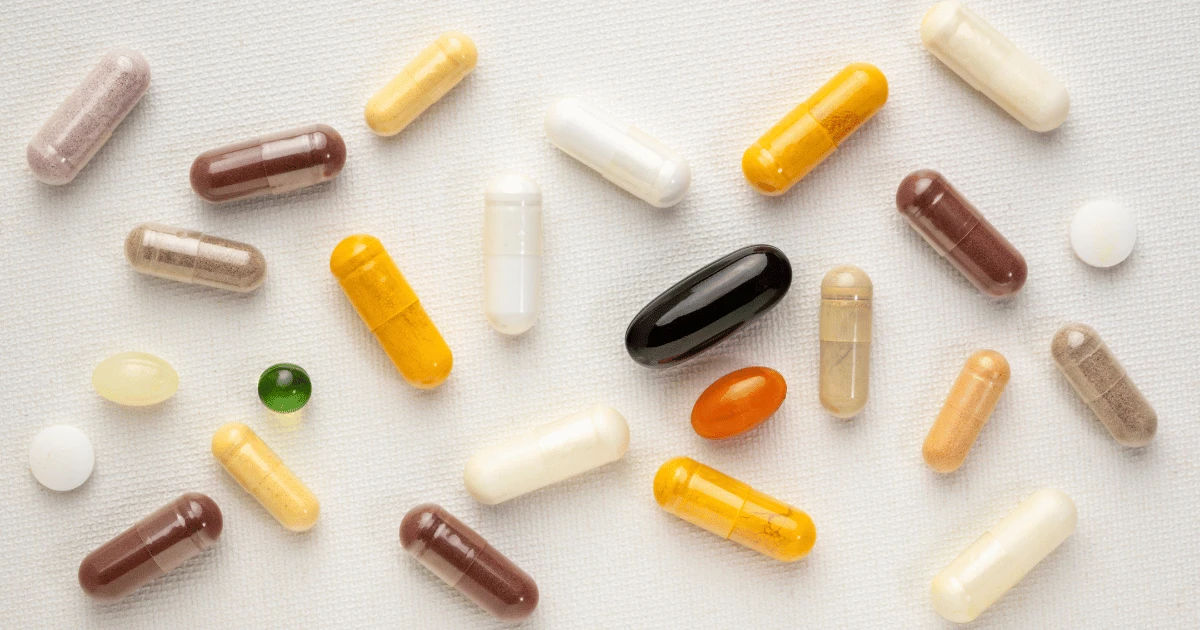
The answer depends on the product’s exact ingredients and dose, as well as the mother’s diet, health, medications, and reason for taking it.
For breastfeeding women aged 19 and older, the adequate intake for biotin is 35 micrograms (mcg) per day. Biotin is also naturally present in foods such as eggs, fish, meat, nuts, seeds, and certain vegetables.
Can Biotin Be Used While Breastfeeding?
In general, biotin itself is a nutrient that the body needs, and there is no established evidence that ordinary amounts of biotin are harmful to breastfeeding mothers or their babies. Biotin is naturally present in human milk, and maternal biotin status can influence the amount found in breast milk.
However, this does not automatically mean that every high-dose biotin supplement is appropriate during breastfeeding.
The important distinction is between meeting nutritional requirements and taking a concentrated supplement. Some biotin products contain thousands of micrograms per serving, which is dramatically more than the 35 mcg adequate intake for lactating women. The National Institutes of Health notes that some supplements contain 2,500 to 5,000 mcg of biotin.
Therefore, before using Biolife biotin Supplement, a breastfeeding mother should check the label carefully and discuss the product with a doctor, pharmacist, or other qualified healthcare professional, particularly if it provides a high dose or contains additional ingredients.
Why Do Breastfeeding Mothers Need Biotin?
Biotin, also called vitamin B7, participates in several important metabolic processes. It helps the body use carbohydrates, fats, and proteins for energy.
Breastfeeding requires considerable nutritional support because the mother is providing nutrients to her baby through breast milk while also meeting her own nutritional needs.
The recommended adequate intake for a breastfeeding woman aged 19 or older is 35 mcg of biotin daily. For breastfeeding teenagers, the same 35 mcg adequate intake applies.
That amount does not necessarily mean a separate biotin supplement is required. Many people can obtain biotin through a varied diet.
Eggs, fish, meat, nuts, seeds, sweet potatoes, spinach, and broccoli are among the foods that provide biotin. Cooked eggs are particularly useful because raw egg whites contain avidin, a protein that can interfere with biotin absorption. Cooking reduces this effect.
What Should You Check Before Taking a Biotin Supplement?
The first thing to check is the biotin dose.
Do not assume that a product marketed for hair, skin, or nails contains only a small nutritional amount. Some supplements contain very high quantities of biotin. Although no tolerable upper intake level has been established for biotin because evidence has not shown a defined toxicity threshold, high doses can still create an important problem: laboratory test interference.
The second thing to check is the complete ingredient list.
A supplement may contain other vitamins, minerals, herbal extracts, or cosmetic-health ingredients alongside biotin. The safety of the entire formulation matters during breastfeeding, not simply the safety of biotin by itself.
This is especially important because dietary supplements are not always studied extensively in breastfeeding women. LactMed notes that manufacturers are not required to test dietary supplement ingredients specifically for safety or effectiveness in breastfeeding women, and available information can be limited.
Is High-Dose Biotin Better for Hair After Pregnancy?
This is one of the most common reasons breastfeeding mothers consider biotin supplements.
Hair changes after pregnancy can be frustrating. A mother may notice more hair appearing on her brush, pillow, or in the shower. It can be tempting to assume that taking a large amount of biotin will immediately correct the problem.
But high-dose biotin is not automatically better.
The NIH explains that biotin supplements are frequently promoted for hair, skin, and nail health, yet there is limited scientific evidence supporting these claims in people who are not biotin deficient.
Hair shedding after pregnancy can have several causes, and nutritional status is only one possible factor. A breastfeeding mother should therefore avoid assuming that hair loss automatically means she needs large doses of biotin.
A healthcare professional can help determine whether nutritional deficiency, hormonal changes, inadequate calorie or protein intake, stress, or another issue may be contributing.
Does Biotin Enter Breast Milk?
Yes, biotin is naturally present in human milk.
Research has shown that the concentration of biotin in breast milk can vary considerably. It is also related to maternal plasma biotin concentration, indicating that maternal nutritional status can influence the amount available in milk.
This is one reason adequate maternal nutrition matters during breastfeeding.
At the same time, the presence of biotin in breast milk should not be interpreted as evidence that taking very large doses is necessary. The nutritional requirement for the mother is much lower than the doses found in some beauty-focused supplements.
The goal should generally be adequate nutrition rather than taking the largest possible dose.
Can Biotin Affect the Breastfed Baby?
There is a difference between normal nutritional exposure and exposure resulting from very high-dose supplementation.
Biotin is naturally supplied to breastfed infants through human milk. The adequate intake established for infants from birth to six months is 5 mcg per day, based partly on estimated intake from human milk.
That provides useful context: biotin is a normal component of infant nutrition.
However, because concentrated supplements can provide much larger amounts than normal dietary intake, breastfeeding mothers should not increase their dosage simply because biotin is water-soluble.
If a mother is considering a high-dose Biolife biotin Supplement, especially for hair or nail concerns, it is sensible to discuss the dose with her healthcare provider before starting it.
What About Biotin and Laboratory Tests?
This is probably the most important practical issue with high-dose biotin.
The NIH warns that biotin supplements containing amounts above recommended levels can interfere with certain laboratory tests. This may produce falsely high or falsely low results, including results involving some hormone tests such as thyroid testing.
This matters because a breastfeeding mother may need blood tests for a variety of reasons.
If she is taking a biotin supplement, she should tell her doctor, pharmacist, laboratory staff, or other healthcare professional. Simply forgetting to mention a supplement can make an unexpected laboratory result more difficult to interpret.
The issue is not necessarily that biotin is damaging the body. Instead, excessive biotin can interfere with the technology used by certain laboratory tests.
Should You Take Biotin If You Already Use a Multivitamin?
This deserves careful attention.
Many breastfeeding mothers already take a multivitamin or another postpartum supplement. That product may already contain biotin.
Adding a separate Biolife biotin Supplement without checking the existing supplement could substantially increase total biotin intake.
For example, a woman might take a multivitamin, a postnatal supplement, and a beauty supplement without realizing that several products contain the same nutrient.
Reading every supplement label is therefore important.
A doctor or pharmacist can review the complete list and determine whether an additional biotin product makes sense.
Who Should Be Especially Careful?
Breastfeeding mothers with medical conditions should be more cautious about starting concentrated supplements without professional advice.
The same applies to women taking prescription medicines or those who regularly undergo blood tests.
Anyone with a known nutritional deficiency should also have the underlying issue properly evaluated rather than simply increasing supplement doses.
It is particularly useful to speak with a healthcare professional if hair loss is severe, persistent, accompanied by other symptoms, or causing significant concern.
A supplement may not address the actual cause.
Is Biotin From Food a Better Option?
For most healthy people, food is an excellent way to obtain nutrients.
Biotin occurs naturally in several common foods. NIH sources identify organ meats, eggs, fish, meat, seeds, nuts, sweet potatoes, spinach, and broccoli among dietary sources.
A varied diet can therefore contribute meaningful amounts of biotin without relying on a concentrated supplement.
For a breastfeeding mother, overall nutrition matters much more than focusing on one vitamin. Adequate protein, calories, fluids, fruits, vegetables, whole grains, and other essential nutrients all contribute to maternal wellbeing and support the nutritional demands of lactation.
This does not mean supplements are never useful. They can be appropriate when a healthcare professional identifies a nutritional need or when dietary intake alone is insufficient.
How Should You Decide Whether to Use Biolife Biotin Supplement?
The decision should begin with the label.
Look at the amount of biotin per serving and check whether the product contains additional active ingredients. Then consider what other supplements you already take.
Next, think about why you want to take it.
If the purpose is simply to meet daily nutritional needs, a high-dose product may not be necessary. If the goal is to address significant hair shedding or brittle nails, it is worth identifying whether an actual deficiency or another underlying cause exists.
Finally, discuss the product with your healthcare provider if you are breastfeeding, particularly when the dose is high.
This approach is much safer than assuming that a supplement is automatically suitable because its main ingredient is a vitamin.
Common Questions About Biotin During Breastfeeding
Can breastfeeding mothers take biotin supplements?
Biotin is an essential nutrient and is naturally present in breast milk. However, whether a particular supplement is appropriate depends on its dose and complete ingredient list. Breastfeeding women should check the product label and seek professional advice before using high-dose supplements.
How much biotin does a breastfeeding woman need?
The adequate intake for breastfeeding women aged 19 and older is 35 mcg per day. The same adequate intake applies to breastfeeding teenagers. This is a nutritional reference value and does not mean that every breastfeeding woman needs a separate biotin supplement.
Can biotin increase breast milk supply?
There is not good evidence that biotin supplements increase breast milk production. Biotin is an important nutrient, but it should not be considered a milk-supply treatment.
Milk production depends on several factors, including effective milk removal and overall maternal and infant health. A breastfeeding specialist or healthcare professional can help if milk supply is a concern.
Is high-dose biotin safe while breastfeeding?
High-dose biotin deserves caution. The NIH has not established an upper intake limit because available evidence has not demonstrated toxicity at a specific level, but high-dose biotin can interfere with certain laboratory tests.
Therefore, “no established upper limit” should not be interpreted as “take as much as you want.” A healthcare professional should review unusually high doses, particularly during breastfeeding.
Can biotin help postpartum hair loss?
Biotin may help when someone has an actual biotin deficiency, but evidence does not show that high-dose biotin reliably treats ordinary hair loss in people who already have adequate biotin status.
Postpartum hair changes can have several causes, so persistent or significant hair loss deserves proper evaluation rather than automatically being treated with a high-dose supplement.
Conclusion
So, can Biolife biotin Supplement be used while breastfeeding? Biotin itself is an essential nutrient and is naturally present in breast milk, but the safety and suitability of a specific Biolife product depend on its exact dose and ingredients. The fact that biotin is a vitamin does not mean that every concentrated supplement is automatically appropriate for a breastfeeding mother.
For breastfeeding women, the adequate intake is 35 mcg of biotin per day. Most people can obtain biotin from a varied diet containing foods such as eggs, fish, meat, nuts, seeds, and vegetables.
If a mother is considering supplementation, she should check whether her existing multivitamin or postnatal supplement already contains biotin. She should also look carefully at the amount provided by the additional product.
Most importantly, high-dose biotin should not be taken casually. Large amounts can interfere with certain laboratory tests, potentially producing misleading results. Anyone using biotin should tell healthcare professionals about it before undergoing relevant blood testing.
For a breastfeeding mother who wants to use Biolife biotin Supplement specifically for hair, skin, or nail concerns, discussing the product with a doctor or pharmacist is the sensible approach. This is especially important when the supplement provides thousands of micrograms of biotin or contains additional active ingredients.
Ultimately, breastfeeding nutrition is about the whole picture. Adequate food intake, balanced nutrition, appropriate medical care, hydration, rest where possible, and sensible supplementation are more valuable than simply taking a large dose of one nutrient.